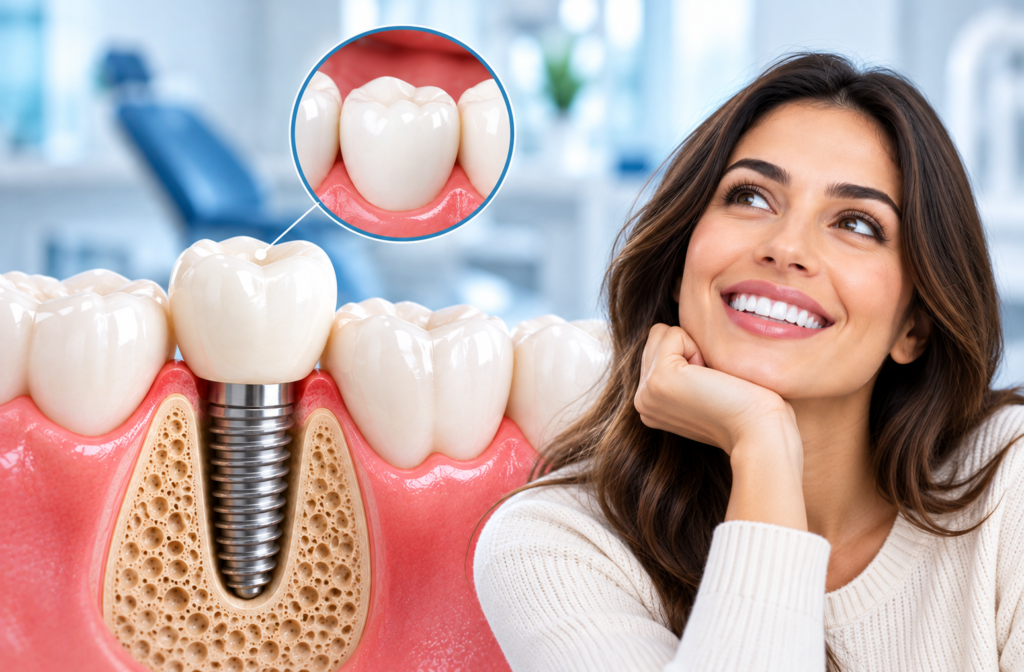
Missing teeth can affect more than the appearance of your smile. They can make chewing less comfortable, change the way you speak, and leave you wondering which tooth replacement option will suit your needs and budget. Dental implants are one option worth exploring because they are designed to replace missing tooth roots and support a natural-looking replacement tooth.
If you are researching the cost of dental implants in Brampton, you may have noticed that prices can vary between patients and dental practices. The final amount depends on factors such as the number of teeth being replaced, the condition of your jawbone, the type of restoration required, and whether additional procedures are necessary. Understanding these details can help you prepare for a consultation, compare treatment plans, and make a decision based on your oral health rather than price alone.
How Much Do Dental Implants Cost in Brampton?
The cost of dental implants in Brampton depends on the treatment needed to replace your missing teeth. A single implant supporting one replacement tooth generally involves a different investment from treatment that replaces several teeth or an entire arch. The dentist must also consider whether your gums and jawbone are healthy enough to support the implant.
There is no single price that applies to every patient. Some people need only an implant and a crown, while others require tooth extractions, bone grafting, or other preparatory procedures. The most useful way to understand your potential costs is to request an individualized treatment plan that explains each stage and its associated fees.
When comparing dental implant prices in Brampton, make sure you understand what the quoted amount includes. One estimate may cover the implant, connector, and final crown, while another may list these items separately. Looking at the complete treatment cost gives you a clearer basis for comparing options.
What Factors Affect the Cost of Dental Implants?
Several factors contribute to the overall price of dental implant treatment. Knowing what influences the estimate can help you understand why two patients may receive different quotes, even when both are replacing a tooth.
Number of Teeth Being Replaced
Replacing one missing tooth usually requires a different treatment plan from replacing multiple teeth. A single dental implant may support one crown, while several missing teeth may be restored using an implant-supported bridge. For patients who have lost most or all of their teeth, a full-arch restoration may be an option worth discussing with a dentist.
The number of implants required is not always the same as the number of replacement teeth. In suitable cases, a small number of implants can support a bridge or a larger restoration. Your dentist can explain which arrangement may work for your mouth and how it affects the overall cost.
Type of Implant Restoration
A dental implant treatment involves more than placing a small post in the jawbone. The implant acts as an artificial tooth root, while a connector and a crown, bridge, or other restoration provide the visible replacement for the missing teeth. The type and design of the final restoration influence the materials, laboratory work, and clinical appointments involved.
For example, replacing a single front tooth may require careful attention to the appearance of the crown and the surrounding gum line. Replacing several back teeth may involve different considerations because those teeth handle substantial chewing forces. Your treatment plan should reflect the location of the missing teeth, your bite, and your long-term oral health needs.
Condition of Your Gums and Jawbone
Healthy gums and adequate jawbone support are important for successful implant treatment. When a tooth has been missing for a long time, the bone in that area may have changed or decreased in volume. Gum disease and certain oral health concerns may also need attention before implant placement can proceed.
If the dentist determines that additional treatment is needed, procedures such as bone grafting or gum treatment may increase the overall cost. These steps are not necessary for every patient, so it is important to base the estimate on an examination rather than assumptions. Addressing existing oral health problems can also help create a healthier foundation for your replacement teeth.
Tooth Extraction and Other Preparatory Procedures
Some patients need a damaged or infected tooth removed before an implant can be placed. Depending on the condition of the tooth and surrounding tissues, extraction may be straightforward or may require a more involved procedure. Your dentist can explain whether the extraction should happen separately or can be coordinated with another stage of treatment.
Additional assessments, imaging, or preparatory procedures may also be recommended when clinically appropriate. Ask whether these services are included in your estimate or charged separately. Understanding the full treatment sequence can help you avoid unexpected expenses as you move through the process.
What Is Included in a Dental Implant Treatment Plan?
A clear treatment plan should explain the services needed to replace your missing teeth, from the initial assessment to the final restoration. Knowing what each stage involves makes it easier to understand the total cost and plan your appointments.
Consultation and Examination
The process generally begins with a consultation to discuss your dental history, concerns, and goals. The dentist examines your mouth and evaluates the area where the implant may be placed. Dental imaging may be recommended to assess the available bone and plan the procedure safely.
Ask whether the consultation fee and any required imaging are included in your estimate. You should also have an opportunity to discuss your medical history, current medications, and any concerns that could affect treatment. This first stage helps the dental team determine whether implants are suitable for you and what preparation may be required.
Implant Placement and Healing
During implant placement, the dentist positions the implant in the jawbone. The area then needs time to heal as the bone bonds with the implant, a process that helps provide stability for the replacement tooth. The length of healing varies according to the patient’s circumstances and whether additional procedures are needed.
In some cases, a temporary replacement may be considered while healing takes place. Whether this is appropriate depends on the location of the missing tooth, the stability of the implant, and the treatment plan. Ask your dentist whether a temporary tooth is recommended and whether it is included in the quoted price.
Final Crown, Bridge, or Other Restoration
Once the implant is ready for restoration, the dentist arranges the placement of the replacement tooth or teeth. The final restoration is designed to fit your mouth and work with your bite. Its material, shape, and number of replacement teeth can affect the total investment.
Before agreeing to treatment, ask whether the final crown or bridge, the connecting components, and follow-up visits are included in the estimate. It is also helpful to understand what adjustments may be needed after the restoration is fitted. These details make it easier to assess the value of the complete treatment rather than focusing only on the initial procedure.
Are Dental Implants Worth the Cost?
Dental implants can be a worthwhile option for people who want a stable replacement for missing teeth. Unlike a traditional bridge, an implant is placed in the jawbone and does not generally require support from the neighbouring teeth. Depending on the treatment, implants can support individual crowns, bridges, or certain full-arch restorations.
Implants also require a commitment to daily cleaning and regular dental checkups. They can develop problems involving the surrounding gums and bone if they are not maintained properly, and the replacement teeth may eventually need repair or replacement. Their long-term value therefore depends on several factors, including your oral health, the quality of the restoration, your home care routine, and ongoing professional maintenance.
The best choice is not necessarily the option with the highest price or the most advanced features. Your dentist should explain the expected benefits, limitations, maintenance needs, and alternatives so you can decide what suits your circumstances. Comparing these considerations can help you determine whether dental implants fit your goals and budget.
Dental Implants Compared With Other Tooth Replacement Options
Dental implants are not the only way to replace missing teeth. Depending on how many teeth are missing and the condition of your remaining teeth, a dental bridge or removable denture may also be suitable. Each option has different costs, maintenance requirements, and effects on the surrounding teeth.
A dental bridge uses neighbouring teeth or other appropriate supports to hold one or more replacement teeth in place. A removable denture can replace several missing teeth or a full arch and may have a lower initial cost than some implant treatments. Implant-supported restorations offer another approach, but they involve a surgical procedure and require sufficient healing time.
Ask your dentist to compare the available options for your specific situation. The discussion should cover the initial cost, expected maintenance, comfort, stability, and likely future expenses. This will help you make an informed choice instead of selecting a treatment based on price alone.
Does Dental Insurance Cover Dental Implants in Brampton?
Dental insurance coverage for implants varies by policy and provider. Some plans may contribute toward certain parts of treatment, such as an examination, extraction, crown, or other restorative service, while excluding implant placement itself. Annual maximums, waiting periods, deductibles, and other plan restrictions can also affect how much you pay.
Before beginning treatment, ask your dental office for a written estimate and submit it to your insurance provider for a review of your benefits. Request confirmation of which services may be covered and whether any limits apply. A pre-treatment estimate can help you understand your potential out-of-pocket expenses, although it is not always a guarantee of final payment.
If you do not have dental insurance or your plan covers only part of the treatment, ask the office about available payment arrangements. You can also discuss whether treatment can be completed in stages when clinically appropriate. The important thing is to understand your financial responsibilities before committing to the procedure.
How Can You Plan for the Cost of Dental Implants?
Planning ahead can make a major dental procedure easier to manage financially. Start by asking for an itemized treatment estimate that separates the main stages of care, including any extractions, bone grafting, implant placement, restorations, and follow-up services. This helps you see where the total comes from and identify any costs that may not be included in the initial quote.
It is also worth asking how long the proposed treatment is expected to take and when payments are due. Dental implant treatment often involves multiple appointments, so the financial commitment may be spread across different stages depending on the office’s payment policies. Make sure you understand the terms of any payment arrangement before proceeding.
If you receive more than one estimate, compare the treatment plans carefully. A lower quote may not include the same components or services as a higher one. Ask questions about anything that is unclear, and consider the dentist’s explanation, experience, recommended care, and follow-up arrangements alongside the price.
How to Choose a Dental Implant Provider in Brampton
Choosing a dental implant provider involves more than finding the lowest advertised price. You should feel comfortable discussing your concerns, asking about alternatives, and understanding the reasons behind the recommended treatment. A good consultation gives you enough information to make a decision without feeling rushed or pressured.
Ask who will perform each stage of treatment and what follow-up care is available. You can also ask how the dentist assesses implant suitability, manages potential complications, and monitors the health of the surrounding gums and bone. Clear answers help you understand what to expect throughout the process.
Finally, pay attention to how the practice communicates costs and treatment expectations. You should receive a clear explanation of what is included in the estimate, which services may cost extra, and how changes to the treatment plan will be discussed. These details can help you choose a dental office that respects your needs and supports informed decision-making.
Explore Dental Implant Options at BCC Dental
Replacing missing teeth is a personal decision, and understanding the cost is an important part of choosing the right treatment. The best starting point is a consultation where you can discuss your oral health, learn which options may be suitable, and receive a clear explanation of the expected expenses. With the right information, you can weigh the benefits, practical considerations, and costs before moving forward.
At BCC Dental, patients in Brampton can take the next step by discussing their tooth replacement concerns and learning more about available dental care options. Contact us to schedule a consultation, ask questions about dental implant treatment, and find out what your personalized treatment plan may involve.
Frequently Asked Questions
The price depends on whether the estimate includes only implant placement or the complete treatment, including the connector and final crown. Additional procedures, such as extraction or bone grafting, may increase the total. Request an individualized estimate to understand the full cost for your situation.
Prices can vary because of differences in treatment complexity, materials, restoration design, diagnostic services, and what each estimate includes. Patients may also need different levels of preparation before implant placement. Comparing itemized treatment plans is more useful than comparing headline prices alone.
Coverage depends on your specific insurance policy. Some plans may cover certain related services but exclude implant placement or limit the amount payable. Contact your insurer and request a pre-treatment estimate before starting care.
Implants may have a higher initial cost than some bridges, particularly when surgical placement and additional procedures are needed. However, the most appropriate option depends on your oral health, the condition of nearby teeth, maintenance needs, and long-term goals. Ask your dentist to compare the complete costs and benefits of each option.
Treatment can take several months because the implant often needs time to bond with the jawbone before the final restoration is placed. The timeline depends on healing, bone health, and whether additional procedures are necessary. Your dentist can provide a more specific estimate after examining your mouth.