Gum disease is one of the most common oral health conditions affecting adults, yet many people don’t realize they have it until it reaches an advanced stage. While brushing and flossing at home are essential parts of maintaining a healthy smile, professional dental cleanings play a critical role in preventing gum disease and protecting your long-term oral health.
Regular dental cleanings do much more than make your teeth look and feel clean. They help remove harmful plaque and tartar buildup, identify early signs of gum problems, and reduce the risk of serious complications that can affect both your oral and overall health. Understanding how professional cleanings work can help you make informed decisions about your dental care and keep your smile healthy for years to come.
Understanding Gum Disease
Gum disease, also known as periodontal disease, is an infection of the tissues that support your teeth. It develops when plaque, a sticky film of bacteria, accumulates on the teeth and along the gumline. If plaque is not removed regularly, it hardens into tartar, which cannot be removed by brushing or flossing alone.
The earliest stage of gum disease is called gingivitis. Common signs of gingivitis include:
- Red, swollen gums
- Bleeding when brushing or flossing
- Tender gum tissue
- Persistent bad breath
At this stage, gum disease is usually reversible with proper oral hygiene and professional dental care. However, if left untreated, gingivitis can progress into periodontitis, a more serious condition that can damage the gums, bone, and supporting structures of the teeth. Advanced gum disease may eventually lead to tooth loss and other health complications. Professional cleanings help remove plaque and tartar before they can contribute to gum disease progression.
The Role of Plaque and Tartar in Gum Disease
Plaque forms naturally on teeth throughout the day as bacteria combine with food particles and saliva. While daily brushing and flossing can remove most plaque, some areas of the mouth are difficult to clean effectively at home.
When plaque remains on the teeth for too long, it hardens into tartar, also known as calculus. Tartar creates a rough surface that allows additional bacteria to accumulate, increasing the risk of inflammation and infection in the gums.
Unlike plaque, tartar cannot be removed with regular brushing. Professional dental instruments are required to safely remove these hardened deposits from above and below the gumline. This is one of the primary reasons routine dental cleanings are so important in preventing gum disease.
How Professional Dental Cleanings Prevent Gum Disease
Removal of Plaque and Tartar
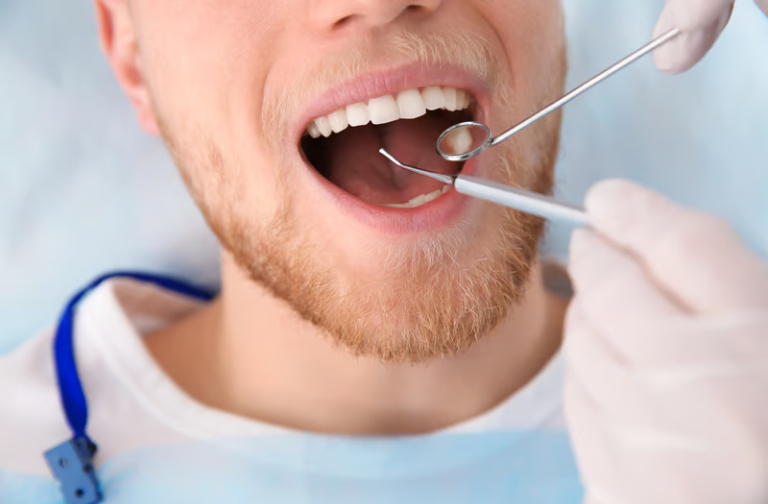
The most important benefit of a professional dental cleaning is the removal of plaque and tartar buildup. During a cleaning appointment, a dental hygienist uses specialized tools to remove deposits that have accumulated on the teeth and around the gums.
By eliminating these bacterial deposits, professional cleanings help reduce inflammation and prevent the development of gingivitis and periodontal disease. Regular cleanings can significantly lower the risk of serious oral health problems before they start.
Cleaning Below the Gumline
One area that is particularly vulnerable to gum disease is below the gumline. Bacteria can collect in pockets between the teeth and gums, where they are difficult to reach with a toothbrush or floss.
Professional cleanings target these hard-to-reach areas, removing harmful bacteria and debris before they can cause infection. This thorough cleaning helps maintain healthy gum tissue and reduces the likelihood of periodontal disease developing over time.
Early Detection of Gum Problems
Regular cleaning appointments often include a comprehensive examination of your teeth and gums. Dental professionals can identify early signs of gum disease that may not be noticeable to patients.
Symptoms such as mild inflammation, gum recession, bleeding, or deepening gum pockets can often be detected before they become severe. Early diagnosis allows for timely treatment, helping to prevent more extensive and costly dental procedures in the future.
Reducing Gum Inflammation
Inflammation is one of the first signs of gum disease. The bacteria found in plaque release toxins that irritate the gum tissue, causing redness, swelling, and bleeding.
Professional cleanings remove the source of this irritation, allowing the gums to heal and return to a healthier state. Many patients notice that their gums bleed less and feel healthier after a thorough cleaning appointment.
Benefits Beyond Gum Disease Prevention
Preventing gum disease is one of the most important benefits of dental cleanings, but it is not the only one. Routine preventive care contributes to overall oral health in several ways.
Lower Risk of Tooth Decay
Plaque and bacteria do not only affect the gums; they also contribute to cavities. By removing plaque regularly, dental cleanings help reduce the risk of tooth decay and the need for restorative treatments.
Fresher Breath
Persistent bad breath is often caused by bacteria that accumulate in the mouth. Professional cleanings remove these bacteria and help improve oral hygiene, leading to fresher breath and increased confidence.
Brighter Smile
Dental cleanings can remove surface stains caused by coffee, tea, wine, and certain foods. While cleanings are not considered cosmetic whitening treatments, they can leave your smile looking brighter and healthier.
Improved Overall Health
Research continues to show a connection between oral health and overall health. Poor gum health has been associated with various systemic conditions, including diabetes and cardiovascular disease. Maintaining healthy gums through regular cleanings may contribute to better overall well-being.
How Often Should You Schedule a Dental Cleaning?
For many patients, dental professionals recommend a cleaning and examination every six months. Regular visits allow plaque and tartar to be removed before significant damage occurs and provide opportunities to monitor oral health over time.
However, some individuals may benefit from more frequent cleanings, including those who:
- Have a history of gum disease
- Smoke or use tobacco products
- Have diabetes
- Experience excessive tartar buildup
- Have weakened immune systems
- Are prone to cavities
Your dentist can recommend a cleaning schedule based on your unique oral health needs and risk factors. In some cases, additional hygiene visits may be advised to help control tartar buildup and maintain healthy gums.
What Happens During a Professional Dental Cleaning?
A routine dental cleaning typically involves several steps:
Oral Examination
Before the cleaning begins, your dental professional examines your teeth and gums to identify any signs of oral health concerns.
Scaling
Specialized instruments are used to remove plaque and tartar from the surfaces of the teeth and around the gumline. Scaling is one of the most important steps in preventing gum disease.
Polishing
After scaling, the teeth are polished to remove surface stains and smooth the tooth surfaces, making it harder for plaque to accumulate.
Preventive Recommendations
Patients may receive personalized guidance on brushing, flossing, diet, and other habits that support healthy gums and teeth.
Tips for Maintaining Healthy Gums Between Cleanings
Professional dental cleanings are most effective when combined with good at-home oral hygiene habits. To help prevent gum disease between appointments:
- Brush your teeth twice daily with fluoride toothpaste.
- Floss at least once each day.
- Use an antimicrobial or fluoride mouthwash if recommended.
- Limit sugary foods and beverages.
- Avoid tobacco products.
- Stay hydrated throughout the day.
- Follow your dentist’s recommendations for routine care.
Make Dental Cleanings Part of Your Wellness Routine
Gum disease is largely preventable, and professional dental cleanings are one of the most effective tools for protecting your oral health. By removing plaque and tartar, reducing harmful bacteria, identifying early signs of disease, and supporting healthy gums, routine cleanings help prevent minor issues from becoming serious dental problems.
At BCC Dental, we believe preventive care is the foundation of a healthy smile. Scheduling regular dental cleanings and maintaining good oral hygiene habits at home can help you enjoy healthier gums, stronger teeth, and greater confidence in your smile for years to come.
Frequently Asked Questions
Professional dental cleanings can help reverse gingivitis, which is the earliest stage of gum disease. By removing plaque and tartar buildup and improving oral hygiene habits, gums can often return to a healthy state. However, advanced periodontal disease may require additional treatment.
Most routine dental cleanings are comfortable and cause little to no discomfort. Patients with sensitive teeth, inflamed gums, or significant tartar buildup may experience mild sensitivity during the procedure, but this is usually temporary.
A standard dental cleaning typically takes between 30 and 60 minutes, depending on the amount of plaque and tartar present and whether a dental examination is performed during the same visit.
Even if your teeth and gums appear healthy, plaque and tartar can accumulate over time without obvious symptoms. Regular cleanings help prevent cavities, gum disease, and other oral health issues while allowing dental professionals to detect problems early.
No. While brushing and flossing are essential for daily oral hygiene, they cannot remove hardened tartar. Professional cleanings are necessary to eliminate tartar deposits and thoroughly clean areas that are difficult to reach at home.