A damaged or weakened tooth can affect more than just your smile. It may make eating uncomfortable, increase sensitivity, or create concerns about the long-term health of your tooth. Fortunately, a dental crown can help restore the strength, appearance, and function of a tooth while allowing you to maintain a healthy smile.
At BCC Dental, we understand that every patient has different dental needs. Some people need a crown after a root canal, while others may require one to repair a cracked, worn, or severely damaged tooth. Understanding how dental crowns work, what the procedure involves, and what factors influence the cost can help you feel more confident about your treatment decision.
If you are considering dental crowns in Brampton, this guide explains everything you need to know, from the purpose of crowns to the treatment process and benefits they provide.
What Is a Dental Crown?
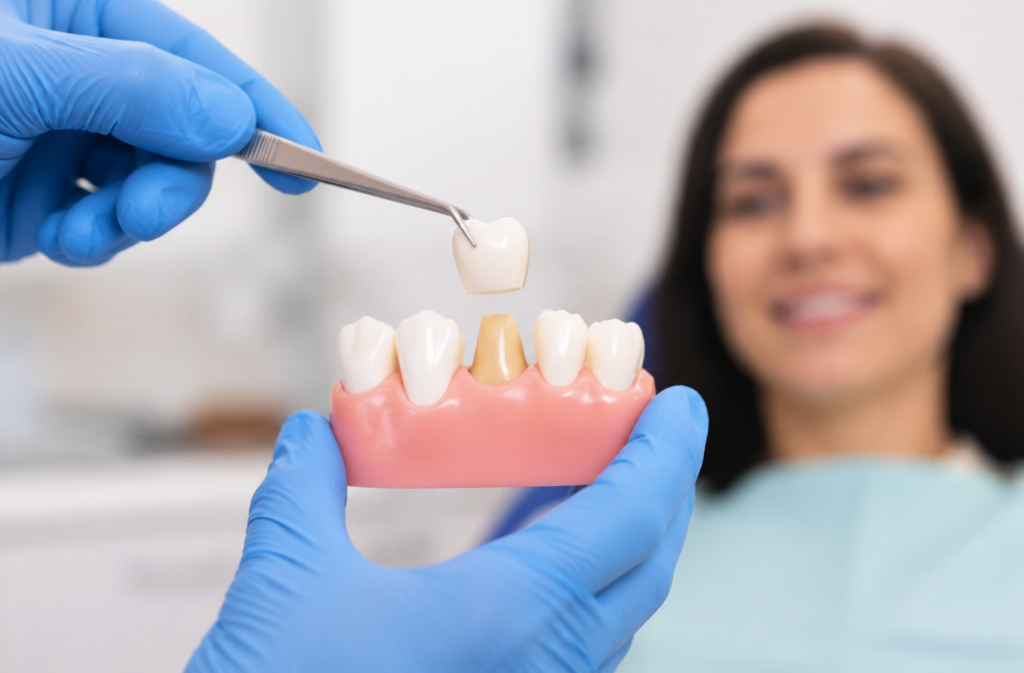
A dental crown is a custom-made covering that fits over a damaged or weakened tooth. It is designed to restore the shape, size, strength, and appearance of the tooth while protecting it from further damage.
Unlike a dental filling, which repairs a smaller area of decay, a crown covers the entire visible portion of the tooth above the gum line. This provides additional support for teeth that have lost a significant amount of structure.
Dental crowns are made from strong and durable materials, including porcelain, ceramic, and other tooth-coloured options. Your dentist will recommend the best material based on the location of the tooth, your bite, and your personal smile goals.
Why Do Patients Need Dental Crowns?
A dental crown may be recommended when a tooth needs more support than a regular filling can provide. Teeth can become weakened due to decay, injury, large fillings, or everyday wear over time.
One of the most common reasons patients receive dental crowns is after root canal treatment. A tooth that has undergone a root canal may become more fragile, and a crown helps protect it from breaking while restoring normal chewing function.
Dental crowns may also be used for:
- Repairing cracked or fractured teeth
- Protecting severely worn teeth
- Restoring teeth with large cavities
- Covering misshapen or discoloured teeth
- Supporting dental bridges
- Completing dental implant restorations
Your dentist will carefully examine your tooth and recommend a crown only when it is the right option for protecting your oral health.
Signs You May Need a Dental Crown
Some dental concerns are easy to notice, while others may only be identified during a dental examination. If a tooth has become weak or damaged, your dentist may suggest a crown to prevent future complications.
A Cracked or Broken Tooth
A cracked tooth may become painful or sensitive, especially when chewing. If the damage affects the strength of the tooth, a crown can help hold the tooth together and reduce the risk of further breaking.
A Tooth With Extensive Decay
When a cavity is too large for a filling, there may not be enough healthy tooth structure remaining to support it. A crown can restore the tooth and provide long-term protection.
Tooth Sensitivity or Discomfort
A damaged tooth may become sensitive to hot, cold, or pressure. While sensitivity can have several causes, your dentist can determine whether a crown or another treatment is needed.
A Tooth After Root Canal Treatment
After a root canal, many teeth require additional protection. A dental crown helps restore the tooth’s strength and allows it to function normally.
The Dental Crown Procedure in Brampton
Many patients feel more comfortable when they understand what happens during a dental crown procedure. The process usually involves careful planning, preparation, and placement to ensure the final restoration fits naturally with your smile.
Dental Examination and Treatment Planning
The first step is a consultation with your Brampton dentist. During this visit, your dentist will examine the affected tooth, review your oral health, and determine whether a dental crown is the best solution.
Dental X-rays or other imaging may be used to check the condition of the tooth and surrounding structures. This helps your dentist create a treatment plan that addresses the cause of the problem, not just the visible damage.
Your dentist will also discuss crown materials, expected results, and any questions you may have about the procedure.
Preparing the Tooth for a Crown
Before placing the crown, the tooth is carefully prepared to create enough space for the restoration. This allows the crown to fit securely and match the shape of your natural teeth.
The dentist removes a small amount of tooth structure from the outer surface while preserving as much healthy tooth material as possible. The area is then prepared for the custom crown.
Your comfort is a priority during this stage, and local anesthesia is used when needed to ensure a relaxed experience.
Creating Your Custom Dental Crown
After the tooth is prepared, your dentist takes impressions or digital scans of your teeth. These measurements are used to create a crown that fits your bite and blends naturally with your smile.
A temporary crown may be placed while your permanent crown is being created. This protects the tooth and allows you to continue normal activities while waiting for the final restoration.
Placing the Permanent Crown
Once your custom dental crown is ready, your dentist will carefully check its fit, appearance, and comfort. Adjustments can be made to ensure your bite feels natural.
The crown is then securely attached to the tooth. Your dentist will provide guidance on caring for your new restoration so it remains strong and functional for years.
Benefits of Dental Crowns
Dental crowns offer several benefits for patients who need to restore damaged or weakened teeth. They are designed to provide both protection and improved function while maintaining a natural appearance.
Restores Tooth Strength
A weakened tooth may be more likely to crack or break. A crown provides additional support by covering the tooth and helping it handle normal chewing pressure.
Improves Appearance
Modern dental crowns are designed to look similar to natural teeth. They can improve the appearance of damaged, worn, or discoloured teeth while creating a more balanced smile.
Protects Against Further Damage
A crown acts as a protective layer around the tooth. This can help reduce the risk of additional damage and may help extend the life of the natural tooth.
Improves Chewing Comfort
A damaged tooth can make eating uncomfortable. A properly fitted crown restores the function of the tooth, allowing patients to chew more comfortably.
Types of Dental Crowns Available
Dental crowns are available in different materials, and the best option depends on your specific needs.
Porcelain and Ceramic Crowns
Porcelain and ceramic crowns are popular choices because they closely match the colour and appearance of natural teeth. They are often preferred for front teeth and visible areas of the smile.
Metal Crowns
Metal crowns are known for their strength and durability. They are often used for back teeth where chewing pressure is greater, although they are less common when appearance is a major concern.
Porcelain-Fused-to-Metal Crowns
These crowns combine strength with a more natural appearance. They include a metal structure covered with a tooth-coloured outer layer.
Your dentist at BCC Dental can help you choose the right crown material based on your tooth location, dental needs, and personal preferences.
How Much Do Dental Crowns Cost in Brampton?
The cost of dental crowns in Brampton can vary depending on several factors. Since every patient’s treatment needs are different, a dental examination is the best way to receive an accurate estimate.
Factors that may affect the cost of a dental crown include:
- The type of crown material selected
- The condition of the tooth before treatment
- Whether additional procedures are needed
- The complexity of the restoration
- Dental insurance coverage and benefits
For example, a tooth that requires a root canal before crown placement may involve additional treatment compared with a tooth that only needs restoration due to wear or damage.
At BCC Dental, our team can explain your treatment options and provide information about the expected costs before beginning the procedure.
How Long Do Dental Crowns Last?
With proper care, dental crowns can provide reliable protection for many years. Their lifespan depends on factors such as oral hygiene habits, biting pressure, the material used, and regular dental care.
Taking care of your crown is similar to caring for your natural teeth. Brushing twice daily, flossing regularly, and attending routine dental checkups can help maintain the health of your crown and surrounding teeth.
Avoiding habits such as chewing hard objects or using your teeth as tools can also help protect your restoration from unnecessary damage.
Caring for Your Dental Crown
A dental crown does not require complicated maintenance, but consistent care is important. Keeping your gums and surrounding teeth healthy helps support the long-term success of your restoration.
Continue your regular oral hygiene routine and pay attention to any changes, such as discomfort, sensitivity, or changes in how your bite feels. If you notice anything unusual, contact your dentist for an evaluation.
Regular dental visits allow your dentist to check your crown and identify any concerns early before they become more serious.
Why Choose BCC Dental for Dental Crowns in Brampton?
Choosing the right dental team for your crown procedure can make a significant difference in your experience and results. At BCC Dental, we focus on providing personalized care that meets the unique needs of each patient.
Our team takes the time to explain your treatment options, answer your questions, and help you understand why a dental crown may be recommended. We use a patient-focused approach to make dental care comfortable and convenient for individuals and families in Brampton.
Whether you need a crown to protect a damaged tooth, restore a tooth after a root canal, or improve your smile, our dental team is here to support your oral health.
Restore Your Smile With Dental Crowns in Brampton
A damaged or weakened tooth does not always need to be removed. Dental crowns provide a reliable way to restore strength, protect your tooth, and improve your smile.
If you are experiencing tooth damage, discomfort, or have been told you may need a dental crown, Our team provides personalized dental care designed around your comfort and long-term oral health.
Schedule a consultation today to find out whether dental crowns in Brampton are the right solution for restoring your smile.
Frequently Asked Questions
A dental crown procedure usually requires two appointments. The first visit involves preparing the tooth, and the second visit involves placing the permanent crown.
Most patients experience little discomfort during the procedure because the area is numbed. Some mild sensitivity may occur after placement but usually improves.
With good oral care and regular dental visits, dental crowns can last many years and provide long-term protection for your tooth.
Yes, the tooth underneath a crown can still develop decay if proper oral hygiene is not maintained. Regular brushing, flossing, and dental checkups are important.
Coverage varies depending on your dental insurance plan. Your dental office can help you understand your available benefits and treatment costs.
Yes, many modern crowns are designed to closely match natural teeth in colour, shape, and appearance.